


NAVIGATE MARKETPLACE
Navigate

Full Time Weddings
Photography Guidelines
Professional Expectations
Punctuality
Arrive at least 30 minutes before your scheduled start time to allow for setup and preparation.
Dress Code
Solid all-black professional attire is required; no hats, jeans, sneakers, patterns, or logos. Clothing must be clean, modest, wrinkle-free, well-fitted, and paired with professional black footwear.
Communication
Maintain open and clear communication with the couple, other team members, and vendors. Be polite, approachable, and respectful at all times.
Discretion
Capture moments candidly without being intrusive. Be mindful of sacred or sensitive ceremonies.
Pre-Wedding
Review the itinerary, special requests, and shot list provided.
During the Wedding
Be attentive to the couple’s needs without being overbearing.
Post-Wedding
Avoid direct communication with the client about edits or delivery timelines. If any questions or concerns arise related to post-production, refer couples to our production coordinator.
Client Interaction
Coordination
Work seamlessly with videographers and other team members.
Respect
Share space courteously, ensuring both photo and video teams get their necessary shots.
Support
Help team members when needed, fostering a positive work environment.
Team Collaboration
Professionalism
Refrain from using personal phones during working hours unless necessary for work-related tasks.
Sobriety
Do not consume alcohol during events.
Conflict Resolution
Address any issues discreetly and professionally. Contact management if assistance is needed.
Code of Conduct
Continuous Improvement
Feedback
Be open to constructive feedback and strive for continuous growth.
Education
Stay updated with photography trends and techniques to enhance your skills.
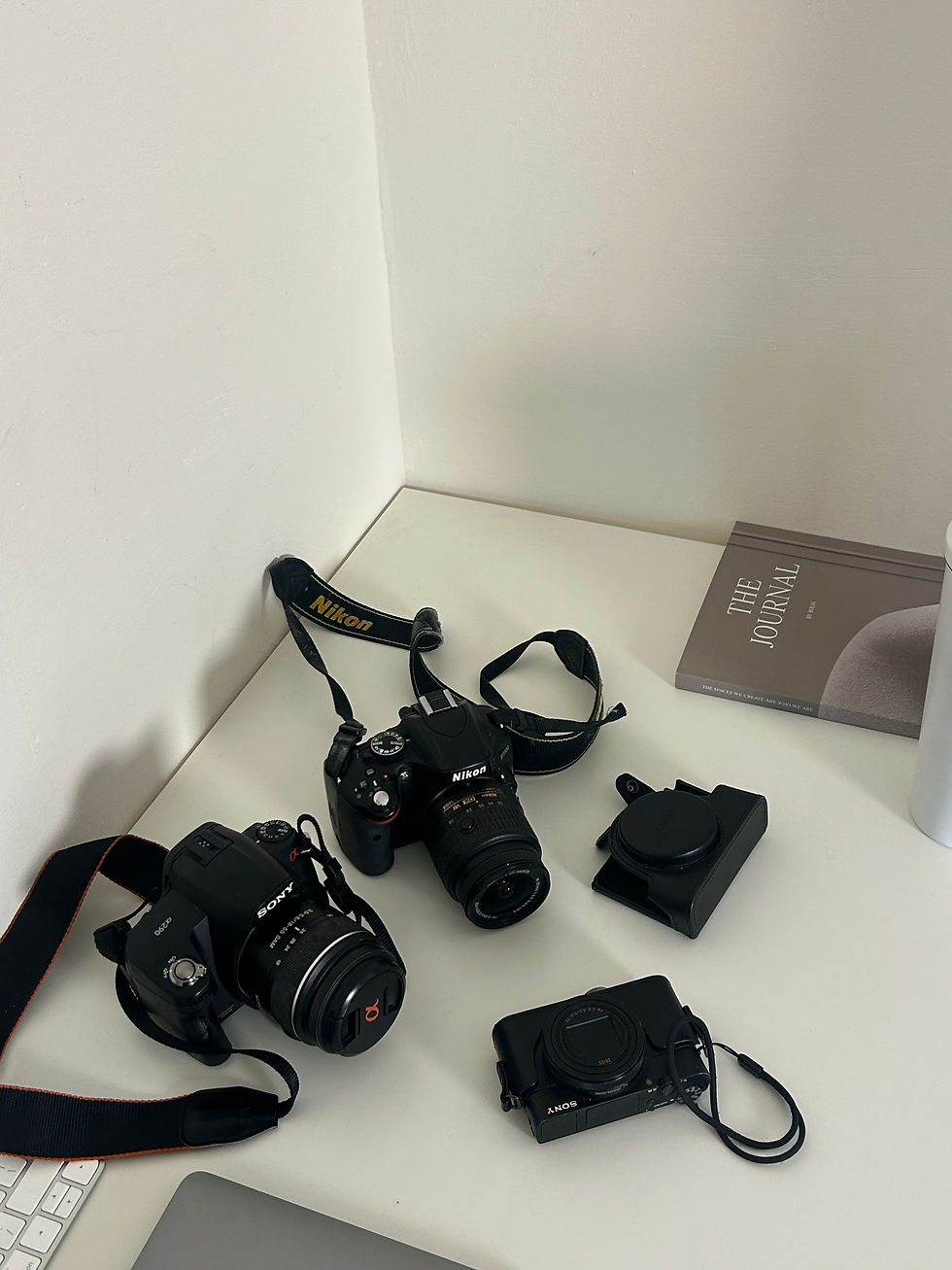
Equipment Requirements
Cameras
Full-frame cameras capable of shooting in RAW, with dual memory card slots for simultaneous recording.
Lenses
A versatile range including a 24-70mm f/2.8, 70-200mm f/2.8, and a fast prime lens (e.g., 35mm or 50mm f/1.4).
Backup Gear
Always bring backup cameras, lenses, batteries, and memory cards.
Lighting
On-camera flash and off-camera lighting setups for low-light situations.
Style Notes
Natural Light Preference
Utilize natural light whenever possible to maintain a timeless, classic look.
Posed vs. Candid
Balance posed portraits with genuine, candid moments. Focus on storytelling through emotion and interaction.
Composition
Pay attention to framing, leading lines, and background distractions. Keep compositions clean and intentional.
Detail Shots
Capture details such as rings, invitations, décor, floral arrangements, and attire.
Dynamic Shooting
Be dynamic in your approach by capturing details and people from different perspectives. Shoot close-ups, wide shots, portrait, and landscape orientations to provide variety.


Key Moments to Capture:
pre-ceremony
-
Bride and groom preparations
-
Detail shots (dress, shoes, jewelry, invitations)
-
Candid moments with bridal party and family
ceremony
-
Processional and recessional
-
Vows, ring exchange, first kiss
-
Reactions from guests and family
-
Wide, medium, and close-up shots
post-ceremony
-
Family formal portraits
-
Bridal party portraits
-
Couple portraits with creative compositions
reception
-
Venue and décor details
-
Grand entrance, first dance, speeches, cake cutting, bouquet/garter toss
-
Candid dancing and guest interactions
-
Night shots if applicable
.png)
Workflow & File
Management
shooting format
Always shoot in RAW for maximum editing flexibility.
Backup Protocol
Backup files to an external hard drive immediately after the event. All files must be backed up for a minimum of 6 months after the wedding.
Delivery
Upload images to the designated cloud storage within 48 hours post-event.
Review
Thoroughly review the itinerary and the editing checklist provided by Flower & Oak to ensure comprehensive coverage and adherence to quality standards.

Image Delivery Requirements
Minimum Image Count
Photographers are required to capture and deliver a minimum number of high-quality images based on the event coverage:
Creative Photography (6 hours)
Aim for at least 300 images.
Cinematic Photography (8 hours)
Aim for at least 600 images.
Premiere Photography (10 hours with
two photographers)
Aim for at least 800 images. This ensures comprehensive coverage and consistency for every event.