


Why New Wedding Videographers Should Edit Their Own Films for the First Three Years

When you're starting out as a wedding videographer, it's tempting to outsource editing as soon as possible. The workload is heavy, the deadlines are tight, and handing off post-production sounds like a fast track to scaling your business. But here's my strong advice: For the first three years, never outsource your editing. Do every single film yourself.
I've seen both sides of this coin up close. I've worked with videographers who, even after ten years, refuse to let anyone else touch their edits—and I deeply respect that commitment. On the flip side, I've met plenty who outsourced from day one. The difference in their growth, creativity, and overall skill level is stark.

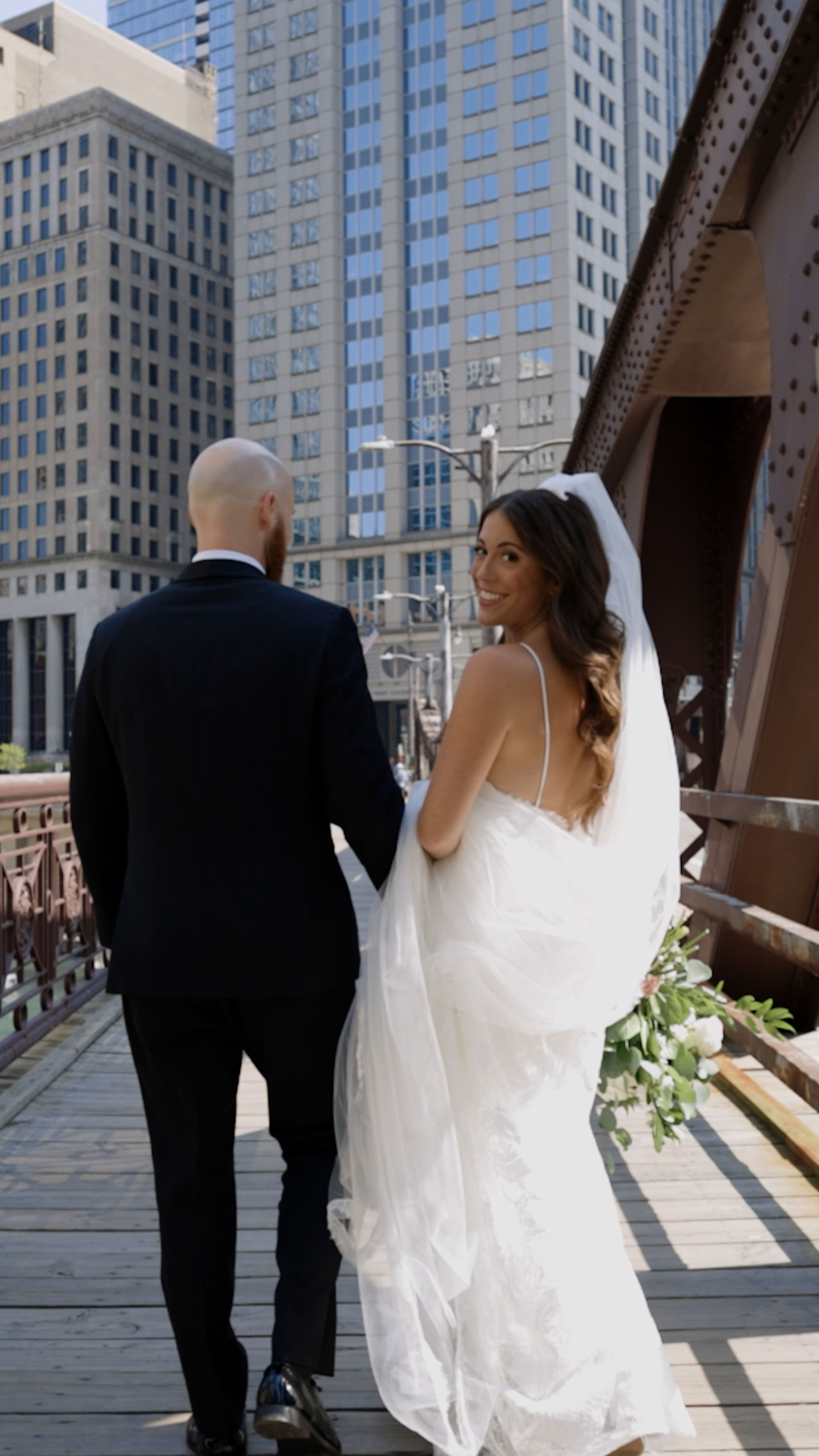
Editing Your Own Work Makes You a Dramatically Better Shooter
The single biggest benefit of editing your own footage is the brutal, honest feedback loop it creates.
You go into a wedding thinking you've nailed some incredible shots: that dramatic slow-motion entrance, the perfectly timed drone pull-back, the artistic close-up during the vows. You're proud of them. Then you sit down to edit, and reality hits. Suddenly you notice the clip is overexposed, the focus is soft, the framing cuts off half the bouquet, or the lighting makes everyone's skin look unnatural. Those "incredible" shots? Many end up on the cutting room floor.
When someone else edits your work, you never experience that moment of truth. You remain blind to your weaknesses. But when you're the one assembling the film, every mistake stares back at you. It forces you to ask hard questions:
Why didn't that shot work?
What could I have done differently on the day?
How can I avoid this next time?
This mirror is uncomfortable, but it's the fastest path to improvement. Over time, you start anticipating problems while shooting. You become more intentional with exposure, composition, lighting, and movement because you know exactly how it will play out in the edit.

You Develop a Deeper Understanding of Storytelling and Style
Editing isn't just cutting clips together—it's where the story comes alive. By handling your own edits, you gain intimate knowledge of:
Music selection and timing: You learn which tracks evoke emotion and how beats align with key moments.
Pacing and rhythm: You discover what feels rushed, what drags, and how to build tension and release.
Color grading: You see firsthand how grade choices affect mood and consistency.
Composition in motion: You understand how static shots versus dynamic movement affect the final flow.
These elements aren't theoretical—they become second nature. You start shooting with the edit in mind, capturing the right variety of angles, B-roll, and coverage to tell a compelling story. Videographers who outsource early often develop gaps in these areas because they're disconnected from the final product.

Pride, Ownership, and Long-Term Growth
There's an undeniable sense of pride that comes from delivering a film that's 100% yours—from capture to color to export. You know every frame, every transition, every decision. That ownership fuels passion and pushes you to keep improving.
This principle isn't unique to weddings. It applies to corporate videos, documentaries, commercials—any niche where you're both shooting and delivering a final narrative product. The craftspeople who excel long-term are almost always the ones who stayed hands-on in post-production during their formative years.

What About When You Do Start Outsourcing?
Eventually, outsourcing editing makes sense for scaling and work-life balance. But even then, don't go cold turkey. My recommendation: Compete with your editor.
For key projects, edit a version yourself in parallel with the outsourced one. Then seek honest feedback—post both versions (anonymously if needed) in trusted communities, show them to mentors, or compare them side-by-side with the couple's input. Ask:
Which tells the story better?
Where does one excel over the other?
What can I learn from the differences?
This keeps your skills sharp, prevents complacency, and ensures you're always leveling up. It also helps you hire and direct editors who align with your vision.
Final Thoughts
The first three years of your career are about building a rock-solid foundation. Editing your own work during this time isn't just helpful—it's essential. It accelerates your growth, sharpens your eye, and deepens your understanding of what makes a great film.
Embrace the grind. Sit in that editing chair for those long nights. The payoff isn't just better films today—it's becoming the kind of videographer who creates work they're truly proud of for decades to come.


Comments